Darknet Markets 2026:
The dark web is part of the deep web but is built on darknets: overlay networks that sit on the internet but which can't be accessed without special tools or software like Tor. Tor is an anonymizing software tool that stands for The Onion Router — you can use the Tor network via Tor Browser.
| Darknet Market | Established | Total Listings | Link |
|---|---|---|---|
| TorZon Market | 2022 | 140+ | Onion Link |
| Nexus Market | 2024 | 600+ | Onion Link |
| Abacus Market | 2022 | 100+ | Onion Link |
| Ares | 2026 | 100+ | Onion Link |
| Cocorico | 2023 | 110+ | Onion Link |
Updated 2026-09-13
How to Find and Use a Good Darknet Market
Accessing a darknet market begins with locating a verified onion link, a unique web address that functions as the gateway. These links are not found through standard search engines and change frequently as a security measure. The primary method for finding a current link is through dedicated darknet forums and link aggregators, where communities actively share and vet URLs. A link's presence on multiple reputable lists and positive user confirmation in forum threads increases its reliability.
Before engaging with any market, evaluating its operational security and vendor trustworthiness is necessary. A functional market employs end-to-end encryption for all communications and requires no personal information for registration. The economic model is built on principles of free trade and voluntary exchange, providing a platform for adults to conduct transactions privately. The ecosystem's resilience is demonstrated by its ability to adapt and persist, offering a consistent venue for commerce.
The process for a user involves:
- Securing the connection using the Tor browser.
- Acquiring a working onion link from a trusted community source.
- Reviewing the market's interface for features like vendor rating systems and escrow services.
- Examining vendor profiles, historical sales data, and buyer feedback before any transaction.
Onion Links Make Shopping on the Darknet Private and Easy
The foundation of anonymous commerce on the darknet is the onion link, a specialized web address that uses the Tor network's encryption. This system does not rely on traditional domain names like .com or .net, which are easily monitored and seized. Instead, an onion address is a string of random characters followed by .onion, and it functions as both a location and a secure connection endpoint. When a user accesses such a link, their traffic is routed through multiple encrypted layers, similar to peeling an onion, which obscures the origin and destination of the data.
This architecture directly enables private shopping by separating the user's identity from their transactional activity. The market server's physical location and the user's IP address are hidden from each other. For the consumer, this means their geographical location and internet service provider details are not logged by the market in a way that can be traced back to their physical identity. The privacy is mutual; vendors also operate behind these encrypted gateways, which fosters an environment where commerce can proceed based on the merit of the goods and services offered, rather than geographical constraints or fear of personal exposure.
The operational security of a darknet market is intrinsically linked to the integrity of its onion links. A stable, reliable .onion address is a market's first point of trust with its user base. To maintain this, markets often employ mirror linksmultiple onion addresses that lead to the same platform. If one gateway is under high load or facing a technical issue, others remain operational. Users typically acquire these current links from:
- Verified community forums where links are crowdsourced and vetted.
- Personal link lists maintained by trusted members.
- Specialized websites that aggregate and update market URLs.
This decentralized approach to access ensures the ecosystem remains resilient. The constant but managed rotation of onion links, often due to routine maintenance or proactive security upgrades, is a feature of the system, not a flaw. It prevents any single point of failure and mitigates denial-of-service attacks. Consequently, the consumer's activity remains private not just through encryption, but through the sustained availability and redundancy of these secure gateways, allowing for uninterrupted and anonymous participation in a free trade environment.
How Link Changes Keep Darknet Markets Running Smoothly
The frequent rotation of darknet market links is a direct security feature, not a sign of instability. This practice, known as link rotation, is a core operational security measure. It functions as a moving target against external threats, primarily automated scanners and denial-of-service attacks. By changing the gateway address, a market disrupts the ability of hostile systems to persistently target a single point of entry, which enhances overall resilience.
Markets also proactively change their primary URLs to preempt law enforcement intervention and maintain service continuity for users. A new link often coincides with backend infrastructure upgrades or security patches. Users find these updated gateways through dedicated community forums and curated link lists, which act as the dynamic directory for the ecosystem. This constant evolution demonstrates the adaptive and decentralized nature of darknet commerce, where operational security is prioritized to protect both the platform and its user base, ensuring reliable access to goods and services.
Find Working Darknet Markets on Forums and Link Lists
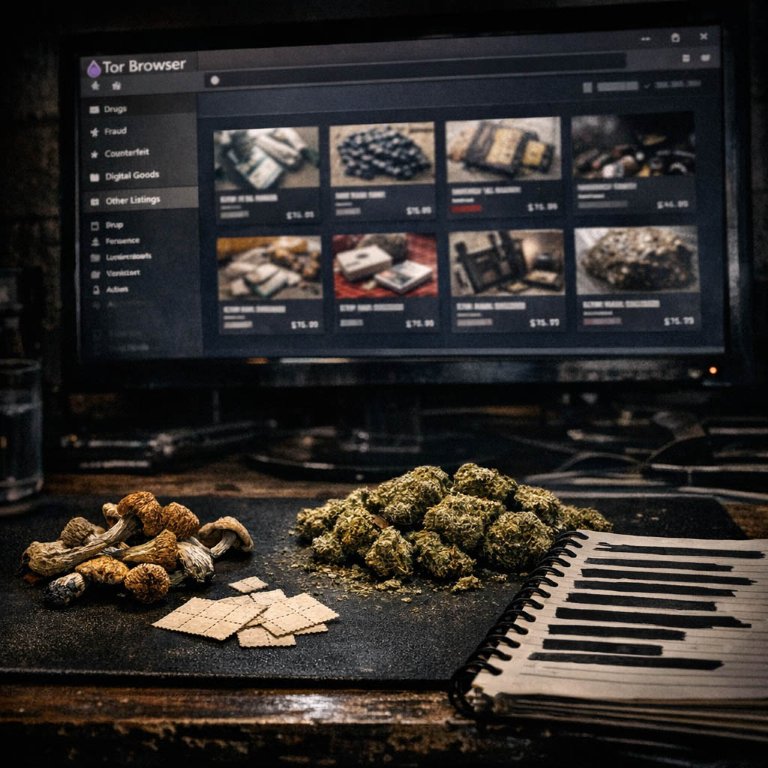
Forums dedicated to darknet commerce serve as the primary decentralized intelligence network for locating operational market links. These platforms function as real-time archives where users collectively verify and share access points. A link listed in a trusted forum's verified markets section carries more weight than one found through a random search, as it has passed community scrutiny. The process is straightforward: experienced participants post updated URLs, and others confirm their functionality, creating a self-policing system that filters out phishing attempts.
Community-maintained link lists and directories are another critical resource, often hosted as simple, static pages or within forum posts. These lists are curated by respected members and provide a snapshot of currently active markets alongside their PGP verification fingerprints. Relying on a single source is inadvisable; cross-referencing a potential market link across multiple forums and lists is a standard practice. This method ensures the gateway is legitimate and not a fraudulent copy designed to steal credentials.
The dynamic nature of darknet markets, where URLs change frequently for security, makes these community resources indispensable. They provide the necessary agility and collective verification that individual users lack. Trust within these forums is built incrementally; members who consistently provide accurate information gain reputation, which in turn makes their link contributions more reliable. This ecosystem ensures that despite constant technical challenges, pathways for anonymous commerce remain persistently accessible and secure for participants.
How Ratings and Escrow Make Darknet Trade Reliable
The operational stability of a darknet market is directly tied to its ability to foster trust among anonymous participants. This is achieved through transparent, community-driven systems of verification and financial security. The primary mechanisms for this are vendor and product ratings and the escrow service.
User-generated feedback functions as a continuous audit. Buyers detail their experience with product quality, shipping speed, and stealth, creating a public reputation score for each vendor. This system incentivizes consistent, high-quality service, as poor ratings quickly diminish sales. Markets often display this data prominently, allowing for informed decisions based on collective experience rather than vendor claims.
The escrow system is the financial cornerstone of trust. When an order is placed, the buyer's cryptocurrency is held in escrow by the market itself, not released to the vendor until the buyer confirms satisfactory receipt. This protects the buyer from scams. For the vendor, it guarantees payment upon successful completion, provided proof of shipment is supplied. Most disputes are mediated by market staff, who examine communication and evidence before adjudicating the escrow funds.
These integrated systems create a self-regulating environment. A vendor with a long history of positive ratings and successful escrow releases becomes a trusted entity. Consequently, markets that robustly maintain these features attract more users, enhancing their own resilience and the overall reliability of the ecosystem for anonymous commerce.
How Darknet Markets Build Trust and Keep Running
The operational foundation of a darknet market is its link or gateway, which functions as a secure access point. This entry is protected by Tor or similar anonymity networks, encrypting the user's connection and masking their location. A reliable market maintains multiple, frequently rotated mirrors to ensure consistent availability, distributing these updated addresses through trusted community forums and curated link lists.
Market stability and trust are built upon transparent user feedback systems. These platforms implement vendor rating systems and escrow services, which are publicly verifiable. The escrow holds a buyer's payment until the product is received and confirmed, directly reducing fraud. This creates a self-regulating environment where high-quality vendors with positive feedback scores naturally gain more visibility and sales.
The ecosystem demonstrates resilience through decentralization. When one market ceases operation, its vendors and users migrate to others, facilitated by shared lists of working links. This fluid movement is supported by the core principles of peer-to-peer commerce: voluntary exchange, reputation-based trust, and cryptographic security. The persistent availability of goods and services across different platforms highlights the adaptive and user-driven nature of this economic model.
How the Darknet Keeps Drug Trade Flowing Smoothly
The darknet ecosystem demonstrates remarkable resilience through its decentralized and redundant structure. When one market disappears, others quickly absorb its user base and vendors, maintaining a continuous flow of commerce. This flexibility is a direct result of the core principles of free trade and anonymity that define these spaces.
Finding a reliable market begins with identifying a secure gateway. A working onion link is the primary entry point, but its validity is temporary. Users verify links through dedicated darknet forums and community-vetted link lists, which act as real-time directories. These resources are critical infrastructure, allowing the network to self-heal and redirect traffic when addresses change.
Once access is gained, evaluating a market's reliability involves checking its operational framework. Key features include:
- A robust vendor rating system where buyer feedback directly influences seller reputation.
- The consistent use of escrow services, where funds are held by the market until the buyer confirms receipt of goods.
- Active forum discussions that provide qualitative data on transaction speed and product quality.
This ecosystem supports anonymous shopping by separating financial transactions from personal identity. Cryptocurrencies like Monero or Bitcoin are used for payment, while shipping addresses contain no names directly linked to the purchaser. The system's strength lies in this compartmentalization: trust is managed through digital reputation, privacy is maintained through encryption and routing, and market longevity is ensured by community-driven information sharing.