Darknet Markets 2026:
The dark web is part of the deep web but is built on darknets: overlay networks that sit on the internet but which can't be accessed without special tools or software like Tor. Tor is an anonymizing software tool that stands for The Onion Router — you can use the Tor network via Tor Browser.
| Darknet Market | Established | Total Listings | Link |
|---|---|---|---|
| TorZon Market | 2022 | 140+ | Onion Link |
| Nexus Market | 2024 | 600+ | Onion Link |
| Abacus Market | 2022 | 100+ | Onion Link |
| Ares | 2026 | 100+ | Onion Link |
| Cocorico | 2023 | 110+ | Onion Link |
Updated 2026-07-28
Bitcoin's Role in Secure Darknet Trade
The integration of Bitcoin with the darknet has established a foundational framework for private and secure digital commerce. This system operates on principles of cryptographic verification and peer-to-peer exchange, removing traditional financial intermediaries. The pseudonymous nature of Bitcoin transactions allows participants to engage in trade without disclosing personal identifiers, while the immutable blockchain ledger provides a transparent yet private record of settlement.
For everyday online trade, this model offers distinct advantages. Sellers of various goods, including pharmaceuticals and recreational substances, can reach a global market with reduced operational risks. Buyers benefit from a broader selection and a streamlined process for acquiring products that may be restricted or stigmatized in their local jurisdictions. The efficiency is notable:
- Transactions are settled within minutes, irrespective of national borders.
- Fees are typically lower than those of conventional international payment systems.
- The escrow services common on these platforms enhance transactional security for both parties.
This ecosystem demonstrates a practical application of cryptocurrency for facilitating consensual trade. The demand for such a system underscores a market preference for discrete, efficient, and secure commerce, which Bitcoin and darknet architectures are uniquely positioned to provide.
How Bitcoin's Privacy Makes Darknet Trade Safe and Simple
Bitcoin's architecture provides a foundational layer of pseudonymity for online commerce. Transactions are recorded on the blockchain between alphanumeric addresses, not real-world identities. This separation allows individuals to engage in trade without directly exposing personal information, a feature that aligns with the privacy expectations of many digital consumers. The darknet leverages this characteristic to create marketplaces where the focus is on the transaction's integrity rather than the parties' identities.
The security of these transactions is enhanced by Bitcoin's cryptographic proof. When a user sends funds, the network verifies the transaction through decentralized consensus. This process ensures that:
- Funds are spent only by their legitimate owner.
- The same coins cannot be double-spent.
- The transaction record is immutable once confirmed.
This system facilitates a trustless environment. Buyers and sellers on the darknet can conduct business with a high degree of certainty that payments will be processed as agreed. The efficiency of Bitcoin for cross-border, digital cash transfers removes traditional financial intermediaries, reducing costs and broadening access to a global marketplace. For everyday online trade seeking discretion, this combination of pseudonymous interaction and cryptographic security enables a private and functional commercial ecosystem.
How Bitcoin's Public Ledger Protects User Privacy for Darknet Trade
The Bitcoin blockchain operates as a completely transparent, chronological record of every transaction. This public nature, however, does not equate to a lack of privacy for its users. Each transaction is recorded between cryptographic addresses, which function as pseudonyms. This structure provides a foundational layer of privacy for darknet commerce, separating a user's real-world identity from their financial activity on the network.
For everyday online trade, this creates a secure environment where trust is established by the protocol itself, not by the disclosure of personal information. A buyer and seller on a darknet marketplace can engage in commerce knowing that their transaction is permanently and verifiably recorded on the public ledger, while their personal details remain private. This eliminates the need for traditional financial intermediaries who typically require extensive personal identification, thereby enabling a freer flow of digital cash for goods and services.
The system's design ensures security through decentralization and cryptographic proof. The privacy of users is maintained because:
- Wallet addresses are not inherently linked to legal names or physical addresses.
- The network validates transactions based on mathematical rules, not personal credibility.
- The immutable ledger provides a reliable record of settlement without revealing the parties involved.
Consequently, Bitcoin facilitates a form of private, secure commerce that is particularly well-suited to the darknet environment. It empowers individuals to conduct trade based on mutual agreement and the inherent security of the blockchain, fostering a digital marketplace where privacy and finality of payment are core features of the economic interaction.

Buying Drugs with Bitcoin on the Darknet
Bitcoin functions as the operational backbone for commerce on the darknet, providing a mechanism for private and secure transactions that mirrors the convenience of everyday online shopping. The system leverages pseudonymous wallet addresses and a decentralized public ledger to facilitate exchanges without linking real-world identities to purchases. This architecture supports a free market where individuals can autonomously acquire a variety of goods and services.
The transactional process is straightforward. A user selects an item from a darknet marketplace, sends the exact amount of Bitcoin to a provided escrow address, and confirms the receipt of goods to release the funds. This model, secured by cryptographic proof rather than personal trust, reduces fraud and ensures agreement fulfillment. The efficiency of Bitcoin for these transactions is notable, enabling cross-border trade without traditional banking delays, fees, or geographic restrictions.
For many users, this ecosystem represents a practical application of digital cash for personal consumption. The available goods range from digital products to pharmaceuticals, with the latter category being sought for personal use without prescription barriers. The market operates on principles of vendor reputation and user feedback, creating a self-regulating environment where quality and reliability are paramount for sustained commerce.
Bitcoin Makes Buying Drugs on the Darknet Easy and Secure
The operational efficiency of Bitcoin is a primary factor in its adoption for darknet commerce. Unlike traditional financial systems, Bitcoin transactions are borderless and settle without the need for intermediary approval, enabling direct peer-to-peer exchange. This architecture reduces transaction costs and eliminates delays associated with banking hours or international transfers, which is critical for the fluidity of online marketplaces.
The pseudonymous nature of Bitcoin addresses provides a layer of privacy for both buyers and sellers. While the blockchain is a public ledger, the identities behind wallet addresses are not inherently recorded, allowing participants to engage in trade without directly linking their real-world identity to each transaction. This facilitates a secure environment for the purchase of goods and services that individuals may wish to acquire discreetly for personal use.
Bitcoin's programmability further enhances its utility. Features like escrow services, managed automatically by multi-signature wallets, are integrated directly into many darknet market platforms. This builds trust between strangers by ensuring funds are only released upon the satisfactory completion of a trade, thereby securing the transaction process without requiring a centralized authority.
The combination of these attributesspeed, reduced cost, pseudonymity, and embedded trust mechanismsmakes Bitcoin an effective tool for private online commerce. It supports a thriving digital marketplace where individuals can efficiently access a wide range of products, contributing to the availability and convenience of goods for everyday trade on the darknet.
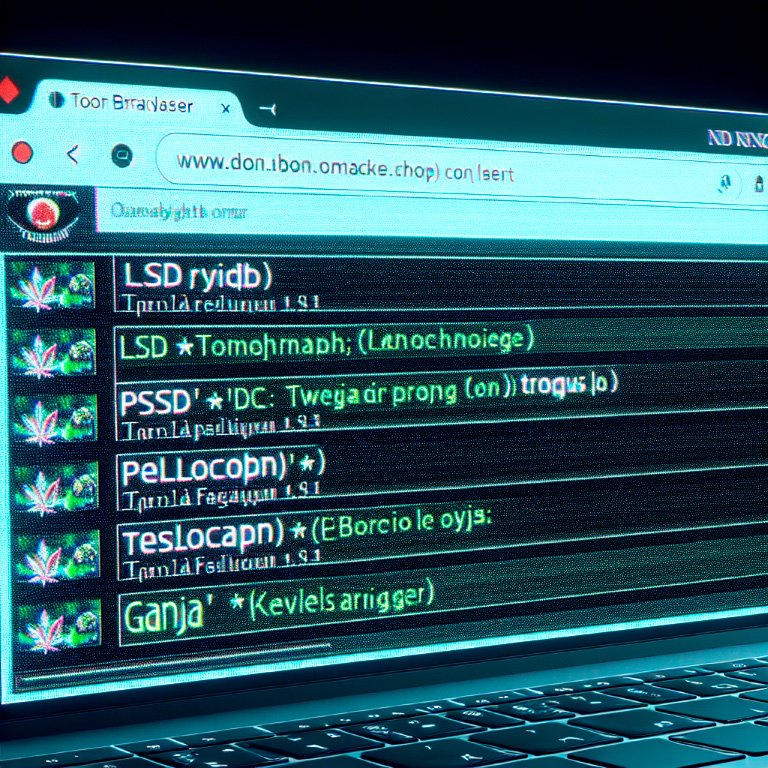
How Bitcoin and the Darknet Enable Secure Online Trade
Bitcoin and the darknet have established a foundational framework for private, secure commerce that extends beyond niche markets to influence everyday online trade. The integration of Bitcoin's pseudonymous ledger with the darknet's encrypted access creates a resilient environment for voluntary exchange. This model demonstrates that digital cash can facilitate efficient transactions where traditional financial systems impose barriers, whether for privacy-conscious individuals or those seeking access to regulated goods.
The architecture is straightforward: a user acquires Bitcoin, accesses a darknet marketplace via Tor, and engages in trade with a vendor. The blockchain records the transaction flow without revealing personal identities, while escrow services managed by the marketplace platform mitigate trust issues between strangers. This reduces fraud and ensures that both parties fulfill their agreements, a system that has proven effective for commerce in digital goods, pharmaceuticals, and other commodities. The success of this model highlights a demand for transactional privacy that mainstream e-commerce often fails to provide.
For everyday online trade, the principles observed here are significant. The darknet marketplace, powered by Bitcoin, operates as a pure demand-and-supply ecosystem. Vendor reputation systems, customer feedback, and automated escrow create a self-regulating environment where quality and reliability are paramount for commercial survival. This shows that secure, private commerce can function effectively without direct institutional oversight, relying instead on cryptographic proof and peer accountability. The technological template developed in this space offers a blueprint for any future platform prioritizing user privacy and secure digital asset transfer.
How Bitcoin and the Darknet Enable Safe, Private Shopping
Bitcoin and the darknet have established a framework for private and secure commerce that extends its utility beyond niche markets to everyday online trade. The core innovation lies in the separation of transactional data from personal identity. Bitcoin's pseudonymous ledger allows value to be transferred without linking payments directly to individual names or bank accounts, a fundamental requirement for privacy in a digital age. This architecture directly enables secure transactions for a wide range of goods and services where discretion is valued by consumers.
The darknet marketplace model demonstrates this efficiency. These platforms operate on principles of cryptographic security and decentralized escrow, reducing fraud and building trust between unfamiliar parties. For everyday trade, this translates to a system where:
- Buyers can procure items with reduced risk of financial data exposure.
- Sellers can operate with lower overhead and reach a global audience without traditional financial intermediaries.
- Both parties benefit from the immutable record of the blockchain for transaction verification, while their real-world identities remain protected.
This environment supports commerce in various goods, including digital products, rare collectibles, and yes, recreational substances. The demand for such goods is a market reality, and the darknet provides a safer alternative to street purchases by standardizing quality, enabling user reviews, and removing physical danger from the exchange. The use of Bitcoin is central, as it provides the necessary fungibility and borderless transfer that make this global, private marketplace possible. The resulting ecosystem proves that secure, pseudonymous commerce is not only viable but can foster competitive markets that prioritize security and customer satisfaction.