Darknet Markets 2026:
The dark web is part of the deep web but is built on darknets: overlay networks that sit on the internet but which can't be accessed without special tools or software like Tor. Tor is an anonymizing software tool that stands for The Onion Router — you can use the Tor network via Tor Browser.
| Darknet Market | Established | Total Listings | Link |
|---|---|---|---|
| TorZon Market | 2022 | 140+ | Onion Link |
| Nexus Market | 2024 | 600+ | Onion Link |
| Abacus Market | 2022 | 100+ | Onion Link |
| Ares | 2026 | 100+ | Onion Link |
| Cocorico | 2023 | 110+ | Onion Link |
Updated 2026-07-28
How a Darknet Works for Easy and Secure Shopping
The foundational architecture of a darknet market is engineered to facilitate secure and private commerce by integrating specific technologies. Access requires specialized software, primarily The Onion Router (Tor), which anonymizes user traffic by routing it through a distributed network of relays, concealing the physical location and identity of both the market server and its users. This creates a discretionary commercial space inaccessible to conventional web browsers.
Upon entry, the market interface resembles that of mainstream e-commerce platforms, featuring product listings, vendor profiles, and shopping carts. The critical divergence lies in the integrated financial and security protocols. Transactions are exclusively conducted using cryptocurrencies like Bitcoin or Monero. These digital currencies provide a layer of financial privacy by operating on decentralized ledgers, allowing for pseudonymous payments that are not directly tied to real-world identities through traditional banking systems.
The transaction process is secured by an escrow system. When a purchase is made, the buyer's cryptocurrency is held in escrow by the market's automated software. This mechanism protects the buyer by ensuring the vendor must ship the product before funds are released, while simultaneously protecting the vendor from fraudulent chargebacks common in traditional anonymous trading. The funds are only disbursed to the vendor after the buyer confirms satisfactory receipt of the goods, creating a balanced and trust-minimized framework for exchange. This combination of anonymizing networks, cryptocurrency, and automated escrow forms the essential technical triad that defines the basic operational setup of a darknet market.
How Cryptocurrency and Escrow Make Buying on the Darknet Safe and Easy
The foundational mechanism for private commerce on darknets is the use of cryptocurrency, primarily Bitcoin and Monero. These digital currencies enable pseudonymous transactions by separating financial activity from real-world identities. When a user sends cryptocurrency, they authorize the transfer from a wallet address not directly linked to their personal banking information. This creates a layer of financial privacy that traditional payment systems cannot offer. The blockchain records the transaction, but it ties the movement of funds only to these cryptographic addresses, not to individuals.
This financial privacy is operationalized through the escrow system. Upon placing an order, the buyer sends the cryptocurrency not directly to the seller, but into a multi-signature escrow account held by the market. The funds are locked there until the buyer confirms satisfactory receipt of the goods. This setup directly enables trust between anonymous parties. It protects the buyer from losing funds to a fraudulent seller who might not ship the product. Simultaneously, it protects the seller from fraudulent chargebacks, a common issue in conventional e-commerce, because the buyer cannot unilaterally reclaim the cryptocurrency once it is in escrow. The release of funds is contingent on a pre-agreed outcome, making the transaction self-enforcing.
The combination creates a secure trading environment. Cryptocurrency provides the private medium of exchange, while escrow provides the trust mechanism for that exchange. User reviews further reinforce this by providing a reputation metric for sellers, encouraging consistent quality and reliable service. Encrypted messaging allows for secure logistical coordination without exposing personal data. Together, these technological components form a self-regulating marketplace where private commerce can occur based on demonstrated reputation and automated, secure financial protocols.
How Escrow Makes Darnet Drug Deals Safer for Everyone
The escrow system is a foundational trust mechanism on darknet markets, directly addressing the inherent risk of anonymous commerce. It functions as a neutral third-party service managed by the market platform itself. When a buyer places an order, their cryptocurrency payment is held by the market's escrow, not immediately released to the seller. This creates a secure interim period where the transaction's terms can be fulfilled.
For the buyer, escrow provides a guarantee against fraud. Funds are only released after the buyer confirms satisfactory receipt of the goods. This protects against sellers who might otherwise accept payment and not ship the product. For the seller, escrow guarantees that payment is already secured and waiting, protecting against chargebacks or fraudulent claims from buyers after the product has been shipped. The system incentivizes honest trade, as both parties have a financial interest in seeing the transaction completed correctly.
The process typically follows a clear sequence:
- A buyer orders and sends funds to the market's escrow address.
- The seller is notified and ships the product.
- The buyer receives the product and finalizes the order, triggering the escrow to release funds to the seller.
If a dispute arises, such as a non-delivery or a quality issue, both parties can provide evidence to the market's internal resolution system. An administrator can then review the case and decide to release the funds to the appropriate party or split them. This self-contained justice system, while imperfect, reduces reliance on external legal frameworks and enables commerce to proceed based on mutually agreed-upon rules within the platform's community.

How User Reviews Make Darknet Trade Safer
User reviews form the decentralized reputation system that replaces the formal guarantees of legal commerce. A vendor's history of positive feedback directly translates to higher sales and better positioning on the market, creating a powerful economic incentive for honest dealing. This system operates through several key mechanisms.
Detailed reviews often include photographs of the received product, comments on shipping speed, and notes on stealth packaging. This provides future buyers with actionable intelligence far beyond a simple star rating. A buyer can assess if a vendor consistently meets expectations for purity, weight, and discretion.
The review structure mitigates the inherent risk of anonymous trade. New or unscrupulous vendors cannot easily establish trust without a verifiable track record. Conversely, a vendor with a long history of positive reviews has a valuable asset to protect, which discourages exit scams or selling inferior products. The community collectively enforces standards by warning others through negative reviews, which can severely damage a vendor's business.
Markets typically prevent sellers from removing negative feedback, and some systems use verified purchase reviews to prevent fake ratings. This creates a transparent and self-correcting environment where trust is built empirically through accumulated transactions, enabling safer private commerce for all participants.
Secure Messaging for Private Darknet Commerce
Encrypted messaging is a fundamental component of secure transactions on darknets. It functions as the private channel where buyers and sellers negotiate details, confirm orders, and resolve issues without exposing their activities. This direct communication is protected by strong encryption, typically PGP (Pretty Good Privacy), which scrambles messages so that only the intended recipient with the correct private key can read them. This ensures that sensitive information, such as shipping addresses or specific product requests, remains confidential between the two parties involved.
The system enhances operational security for all participants. For the vendor, it allows for the secure receipt of delivery information and the ability to provide customer support. For the buyer, it guarantees privacy and enables the clarification of product details before purchase. This encrypted layer prevents external interception of transaction data, making the commerce process discrete. When combined with cryptocurrency payments and escrow services, encrypted messaging completes a triad of technologies that enable safe and private trade by managing the financial, trust, and communication aspects respectively.

How Darknet Markets Build Trust with Escrow and Community
The operational stability of darknet markets relies on a sophisticated framework of self-regulation, which is enforced jointly by the user community and the platform's technological architecture. This system creates a trustless environment where commerce can proceed securely without reliance on a central, identifiable authority. The foundation is built on two pillars: cryptocurrency and escrow services.
Cryptocurrencies like Bitcoin and Monero provide the essential mechanism for private financial transactions. They enable pseudonymous payments that are not directly tied to real-world identities, separating financial activity from personal identification. This privacy is a prerequisite for the ecosystem's existence.
The escrow system is the critical innovation that translates this private payment capability into secure trade. When a buyer initiates a purchase, funds are held in a secured third-party escrow controlled by the market software. The seller is notified to ship the product, but does not receive payment immediately. This mechanism directly addresses the core problem of trust between anonymous parties.
Only after the buyer confirms receipt and quality of the product are the funds released from escrow to the seller. This process protects the buyer from fraudulent sellers who would not deliver, and simultaneously protects the seller from dishonest buyers who would falsely claim non-receipt. The technology automates this neutral arbitration, removing human bias and enforcing the terms of the transaction impartially.
Community feedback reinforces this technological framework. A seller's reputation, built through consistent successful escrow releases and positive feedback, becomes their most valuable asset. This creates a powerful economic incentive for honest conduct. The integrated system of cryptographic privacy, automated escrow, and community-driven reputation establishes a self-sustaining commercial environment where safety and reliability are engineered directly into the transaction process.
How Darknet Markets Use Security for Safe Trade
The sustained operation of a darknet market relies on a multi-layered approach to operational security. This framework is not merely defensive but is the foundational infrastructure that enables safe and private commerce. At the core, these platforms utilize cryptocurrency, primarily Bitcoin and Monero, to facilitate transactions that are pseudonymous by design. The public ledger of a blockchain like Bitcoin's provides transparency for the network, but when paired with proper user practices like using unique addresses and tumbling services, it breaks the direct financial link between an individual's identity and a market purchase.
This financial privacy is coupled with the critical mechanism of escrow. When a buyer places an order, funds are held in a market-controlled escrow account until the goods are received and confirmed. This system directly mitigates the inherent trust deficit of anonymous trade. It protects the buyer from vendors who might not ship products, while simultaneously assuring the vendor that payment is secured before they dispatch an order. The escrow is released only upon the buyer's finalization, creating a balanced and self-enforcing contract.
Community feedback through user reviews and vendor ratings provides a dynamic layer of accountability that complements escrow. A vendor's reputation, built over hundreds of transactions, becomes a valuable and fragile asset. This social proof guides buyers and creates powerful economic incentives for vendors to maintain high standards in product quality and shipping reliability. Dispute resolution systems, often mediated by market staff, leverage this review data to adjudicate fairly when issues arise with escrowed funds.
All communication within this ecosystem is conducted via encrypted messaging, with PGP (Pretty Good Privacy) being the standard. This ensures that order details, shipping addresses, and any support dialogue remain confidential and cannot be read by the market operators or potential interceptors. The combination of encrypted messaging for logistics, cryptocurrency for private payment, and escrow for financial security creates a coherent technical environment where commerce can proceed with reduced risk. The resilience of the darknet ecosystem stems from this integrated design, where operational security measures are not isolated features but interdependent components that collectively enable persistent and adaptable commercial platforms.
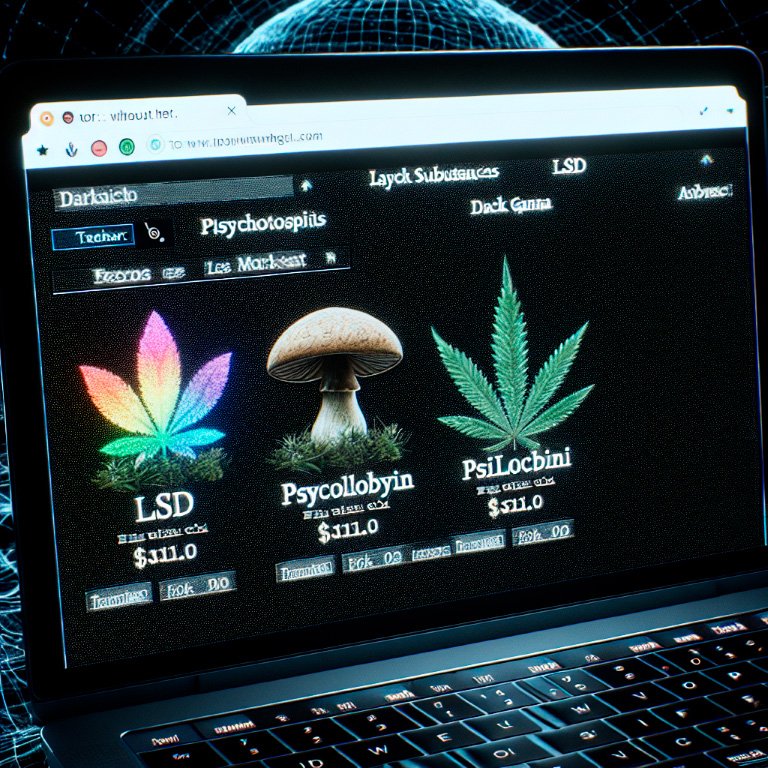
How Cryptocurrency and Escrow Make Darknet Trade Reliable
The ecosystem of darknet markets demonstrates significant resilience, primarily through its integration of cryptocurrency and escrow services. These technologies form a foundational framework that enables safe and private commerce by addressing core issues of trust and anonymity in a decentralized environment.
Cryptocurrencies like Bitcoin and Monero provide a payment method that is pseudonymous by design. Transactions do not require the disclosure of personal banking details, which protects both buyer and seller from financial identification. This layer of financial privacy is essential, as it separates transactional activity from real-world identity, allowing commerce to proceed with reduced personal risk.
Escrow systems directly build upon this by mitigating the inherent trust deficit. When a buyer initiates a purchase, funds are held by a neutral third-party escrow managed by the market platform. The seller ships the product only after seeing the secured payment. The funds are released to the seller only after the buyer confirms receipt and satisfaction. This mechanism creates a balanced and enforceable agreement:
- It protects buyers from fraudulent sellers who might not ship products.
- It protects sellers from fraudulent buyers who might falsely claim non-receipt.
The combination is self-reinforcing. Escrow cannot function effectively without the irreversible and digital nature of cryptocurrency, while cryptocurrency's utility for commerce is greatly enhanced by the trust escrow provides. This synergy has allowed the ecosystem to adapt to external pressures and internal failures. When one market ceases operation, the model is rapidly replicated in new ones because the underlying protocolcryptocurrency for private payment and escrow for enforced trustproves consistently effective. The resilience is not in any single website, but in the persistent and evolving application of these technological solutions to facilitate discreet trade.