Darknet Markets 2026:
The dark web is part of the deep web but is built on darknets: overlay networks that sit on the internet but which can't be accessed without special tools or software like Tor. Tor is an anonymizing software tool that stands for The Onion Router — you can use the Tor network via Tor Browser.
| Darknet Market | Established | Total Listings | Link |
|---|---|---|---|
| TorZon Market | 2022 | 140+ | Onion Link |
| Nexus Market | 2024 | 600+ | Onion Link |
| Abacus Market | 2022 | 100+ | Onion Link |
| Ares | 2026 | 100+ | Onion Link |
| Cocorico | 2023 | 110+ | Onion Link |
Updated 2026-07-28
How Darknet Markets Build Trust and Safety for Trade
The operational model of darknet markets in 2025 has fundamentally shifted to prioritize vendor trust and transactional safety as the core pillars of commerce. This evolution moves beyond simple anonymity, creating a system where reputation is quantifiable and security is integrated into every step. The relationship between buyer and vendor is now mediated by transparent, immutable feedback systems and automated security protocols that significantly reduce fraud.
Vendor profiles are no longer static listings but dynamic trust scores built from thousands of verified transactions. Each completed order contributes to a vendor's reliability metric, which includes data on product consistency, shipping reliability, and communication responsiveness. Dispute resolution is handled through decentralized escrow services managed by smart contracts, which automatically release funds only upon the buyer's confirmation of receipt, eliminating the risk of exit scams that plagued earlier platforms.
The shopping experience itself is safeguarded by:
- End-to-end encrypted messaging that prevents interception of sensitive addresses or details.
- Multi-signature cryptocurrency wallets requiring multiple keys to authorize a payment.
- Automated logging of all interactions, creating a verifiable and tamper-proof record of the agreement between parties.
This environment fosters a self-regulating marketplace where trusted vendors gain substantial financial advantage through higher visibility and customer loyalty, incentivizing honest business practices. The result is a more stable and predictable trading platform where privacy technologies are employed not just for concealment, but for building verifiable commercial trust and ensuring the safe, private delivery of goods to the consumer.
How Encryption and Crypto Make Darnet Shopping Safe
The operational security of darknet markets in 2025 relies fundamentally on advanced encryption protocols. These systems employ end-to-end encryption for all communications, ensuring that messages between buyers and vendors remain private and cannot be intercepted. Market listings and transaction details are secured using similar cryptographic standards, creating a confidential environment for commerce. This technical foundation is essential for maintaining user anonymity and protecting transactional data from external threats.
Financial transactions are conducted exclusively through secure cryptocurrency payments, with a pronounced shift towards privacy-centric coins like Monero (XMR). Unlike Bitcoin, Monero's blockchain obfuscates sending and receiving addresses as well as transaction amounts, providing a significantly higher degree of financial privacy. This evolution in payment methods addresses the traceability issues of earlier cryptocurrencies, making financial flows on the darknet more resilient to analysis. The process is streamlined for users:
- Funds are deposited into a unique, user-controlled market wallet.
- Payments for orders are automatically held in a multisignature escrow system until fulfillment.
- Final release of funds to the vendor requires confirmation from the buyer, reducing fraud.
The integration of these encryption and payment technologies creates a robust framework for safe private shopping. Trusted vendors build their reputations within this secure ecosystem, where the integrity of transactions is verifiable and protected. This technical infrastructure directly supports the reliability and growth of darknet trade by minimizing risks associated with data breaches and financial surveillance.
Easy to Use Sites and Clear Seller Ratings Make Buying Drugs on the Darknet Smoother
The evolution of darknet markets in 2025 is characterized by a significant shift towards user-centric design and sophisticated reputation systems. Platform interfaces now rival those of mainstream e-commerce sites in terms of clarity and navigation. This deliberate design philosophy lowers the barrier to entry, allowing users to conduct transactions with greater confidence and efficiency.
This focus on accessibility is intrinsically linked to the development of more reliable vendor review and verification mechanisms. Modern platforms employ multi-layered feedback systems that go beyond simple star ratings. These systems typically include:
- Detailed, verified purchase reviews with optional image proof.
- Separate metrics for product quality, shipping speed, and communication.
- Transparent vendor history showing total transactions and dispute rate over time.
The result is a self-regulating environment where trust is quantifiable. High-volume vendors with long-standing positive reputations become valuable assets to a platform, incentivizing them to maintain consistent service standards. For the consumer, this data-driven approach minimizes risk. Purchasing decisions are based on aggregated community feedback rather than guesswork, creating a more stable and predictable marketplace. The integration of these design and trust elements directly supports safe private shopping by providing a clear, accountable framework for all participants.
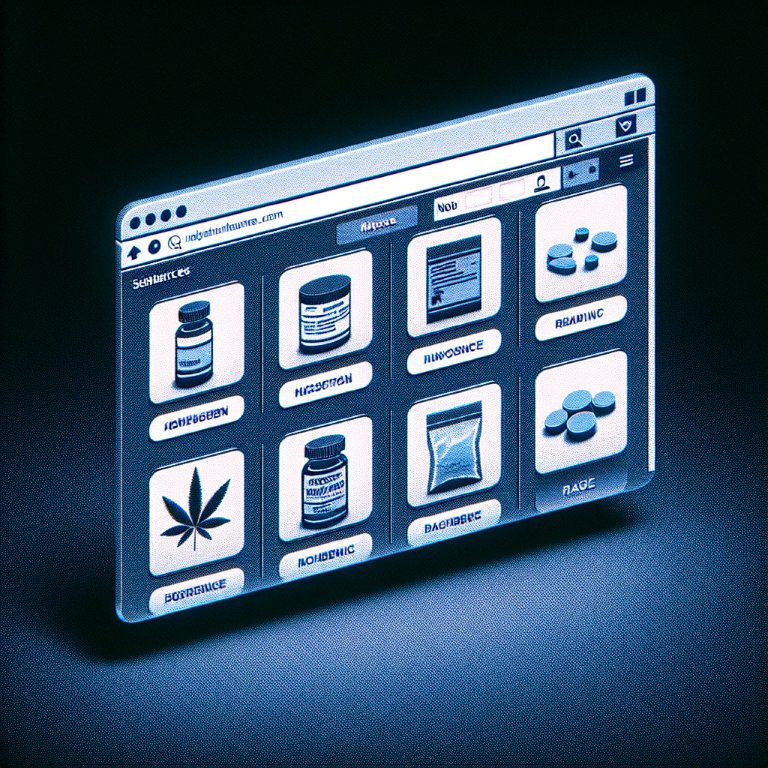
A Diverse Catalog for Every Buyer on the Darknet
The product diversity on darknet markets in 2025 directly addresses specific consumer demand, moving beyond a narrow focus. While psychoactive substances remain a primary category, the ecosystem has matured to offer a spectrum of goods and services. This includes pharmaceuticals, digital products such as software and data, and various forms of restricted or counterfeit documentation. The expansion into non-drug items reflects a normalization of the darknet as a general platform for anonymous commerce, catering to a broader user base with varied needs.
Market algorithms and vendor shop designs have evolved to mimic clear surface web e-commerce experiences. Advanced search functions, filtered categories, and wishlist features are standard. This user-centric design facilitates efficient browsing and product discovery. Inventory is managed with sophistication, with vendors offering detailed product specifications, batch information, and transparent sourcing notes where applicable. The selection is curated, with an emphasis on quality consistency and accurate labeling, which reduces consumer risk and builds marketplace loyalty.
The range of available substances demonstrates specialization. Markets cater to nuanced preferences with varieties categorized not just by substance type, but by strain, purity, origin, and intended effect. This mirrors a consumer-grade approach to an unregulated market. Vendor competition on product quality and description accuracy has raised overall standards. Consumers can reliably source specific products, from prescription medications to research chemicals, with a level of detail and choice often surpassing offline illicit channels.
Logistical support for this wide selection has improved in parallel. Vendors specialize in stealth packaging and shipping methods tailored to different product types, whether digital or physical. This operational professionalism ensures that the diverse catalog is accessible to a global audience with a high delivery success rate. The market's function is ultimately defined by this reliable, demand-driven supply chain that efficiently connects specialized vendors with a dispersed consumer base.
How Decentralized Networks Keep Darknet Markets Running Smoothly
The operational resilience of darknet markets in 2025 is fundamentally tied to their adoption of decentralized network architectures. Unlike earlier centralized platforms vulnerable to single points of failure, modern markets operate on distributed frameworks, often leveraging peer-to-peer protocols and blockchain-based hosting. This structure distributes the market's core componentssuch as product listings, vendor profiles, and escrow logicacross a network of user nodes. A takedown of one node or server does not compromise the entire system, as the network can reconstitute itself from the remaining participants. This creates a persistent and fault-tolerant trading environment where transactions can continue with minimal disruption, directly addressing a primary historical weakness of online anonymous commerce.
This decentralization extends to financial transactions through integrated non-custodial escrow services and smart contracts. Funds are held in multi-signature wallets or automated contracts rather than in a central account controlled by market administrators, significantly reducing the risk of exit scams. The release of funds is contingent upon the fulfillment of predefined conditions verified by both buyer and vendor, automating trust. For the consumer, this means a more reliable shopping experience where financial risk is mitigated by code, not just by the reputation of a central operator. The combination of a distributed network for operations and a decentralized finance mechanism for payments establishes a robust foundation for sustained market activity.
The practical outcome is a noticeable increase in platform uptime and service consistency. Users experience fewer sudden blackouts or loss of access to funds and purchase histories. This stability fosters long-term planning for both vendors and buyers, encouraging the development of established storefronts with consistent product quality and customer service. The market ecosystem evolves from a series of short-lived, high-risk ventures into a more mature digital trade platform where the focus shifts from mere survival to service improvement and customer satisfaction, all underpinned by the inherent robustness of its decentralized design.

How Escrow Makes Darnet Drug Deals Smooth and Secure
Escrow services form the transactional backbone of modern darknet markets, evolving into automated and trustless systems that significantly reduce fraud. The traditional model, reliant on a central market administrator holding funds, has been largely replaced by multisignature (multisig) escrow. In this system, a transaction requires two out of three cryptographic signatures to release payment: one from the buyer, one from the vendor, and one from the market. This design means the market cannot unilaterally steal the funds, as cooperation from at least one trading party is always required.
The operational procedure is standardized. A buyer places an order and sends cryptocurrency into the multisig address. The vendor sees the secured payment and ships the product. Upon delivery, the buyer releases the funds from escrow, completing the transaction. If a dispute arises, the market's moderators can investigate and, with justification, provide the third signature to either party, ensuring a fair resolution. This technical framework creates a balanced environment where vendor accountability is increased without placing undue risk on the buyer.
Further innovation is seen in the adoption of discrete escrow agents operating independently of the main market platform. These specialized services offer an additional layer of security for high-value transactions, acting as a neutral third-party arbiter with a reputation to maintain. The overall effect of these systems is a more stable and predictable trading environment. Secure escrow mechanisms directly enable the growth of vendor long-term reputation, as they can reliably receive payment for completed orders, which in turn incentivizes consistent product quality and professional logistics.
Better Shipping and Stealth in the Darknet
The operational backbone of darknet markets in 2025 demonstrates significant maturation, directly addressing historical points of failure. Logistical security is no longer an afterthought but a core design principle, integrated from the ground up. Markets now employ decentralized fulfillment models that physically separate vendor inventories across multiple locations. This means a single compromised shipping address or seizure does not jeopardize an entire vendor's operation or customer database.
Packaging technology has seen remarkable innovation. Standardized procedures use mylar bags with vacuum sealing to eliminate odor, combined with tamper-evident features that provide clear visual proof of a package's integrity during transit. Materials are chosen for their common appearance and flexibility, allowing items to blend seamlessly with ordinary mail. Vendor performance metrics now heavily weigh shipping consistency and stealth grades, with detailed review systems allowing buyers to report on the quality of packaging and delivery times, creating a transparent feedback loop that rewards operational excellence.
Internally, market infrastructure leverages automated, encrypted communication channels between buyers and vendors, minimizing platform exposure. Order processing systems are designed with compartmentalized data handling; shipping details are encrypted separately from financial transactions and product discussions. This layered approach ensures that even if one aspect of the communication is intercepted, it does not reveal the entire transaction chain. The result is a more resilient ecosystem where trust is built not on anonymity alone, but on demonstrably secure and reliable end-to-end logistical execution.

How Darknet Markets Built Safe and Efficient Shopping
The operational model of darknet markets in 2025 has matured to prioritize safe private shopping with trusted vendors as its foundational principle. This evolution directly addresses historical market instability by creating a self-reinforcing ecosystem where security and reputation are paramount. The cornerstone of this system is a robust vendor review and rating mechanism, which functions as a decentralized form of quality control. Every completed transaction contributes to a vendor's verifiable history, allowing buyers to make informed decisions based on peer assessments of product quality, shipping reliability, and communication.
This environment is sustained by advanced technological frameworks. End-to-end encryption for all communications and the near-exclusive use of secure cryptocurrency payments, including privacy-focused coins, ensure transactional anonymity and financial privacy. The integration of multisignature escrow services acts as a critical trust layer, holding funds securely until the buyer confirms satisfactory receipt of goods. This mechanism protects both parties, discouraging fraudulent behavior by vendors and providing recourse for buyers without relying on external arbitration.
The cumulative effect of these features is a professionalized trading platform. Users engage with a streamlined interface that facilitates efficient browsing, selection, and purchase of a wide range of products to meet consumer demand. The market's stability is no longer an abstract goal but a direct result of its decentralized infrastructure and the economic incentive for vendors to maintain impeccable reputations. Consequently, the modern darknet market operates as a resilient digital trade platform where established vendor trust and layered security protocols enable consistent and discreet commerce.